Inspiring future women leaders through vision building and community connections
Fall 2022: Bangor, ME
Community building
Communication
Gratitude
Instructional Design
Active Learning
Leadership
Program Management
Inclusive Pedagogies
Driving Change
Introduction:
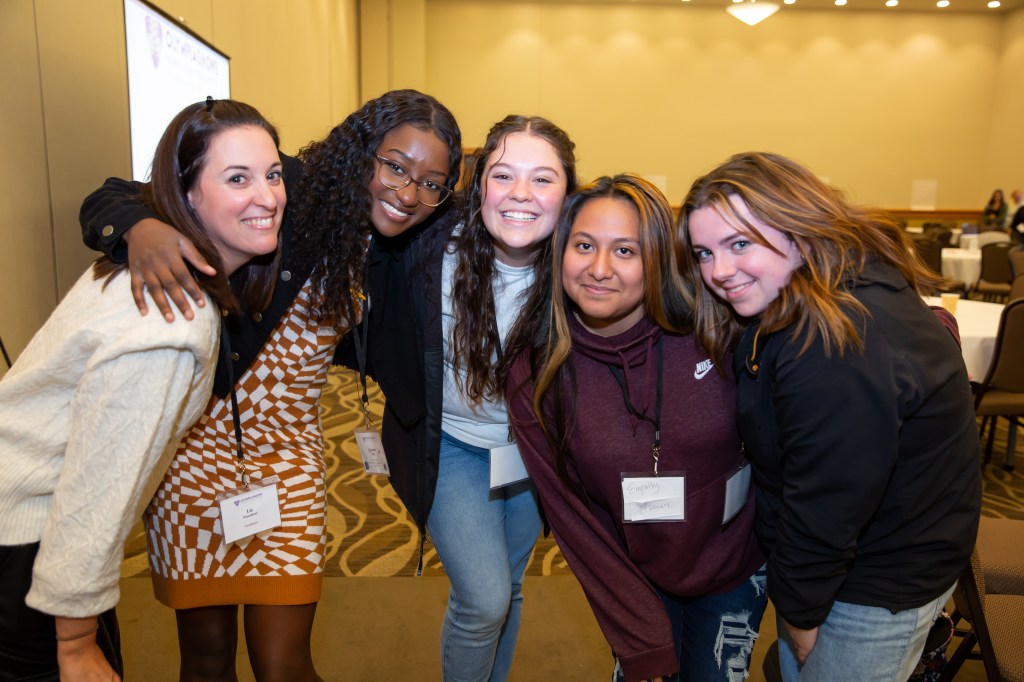
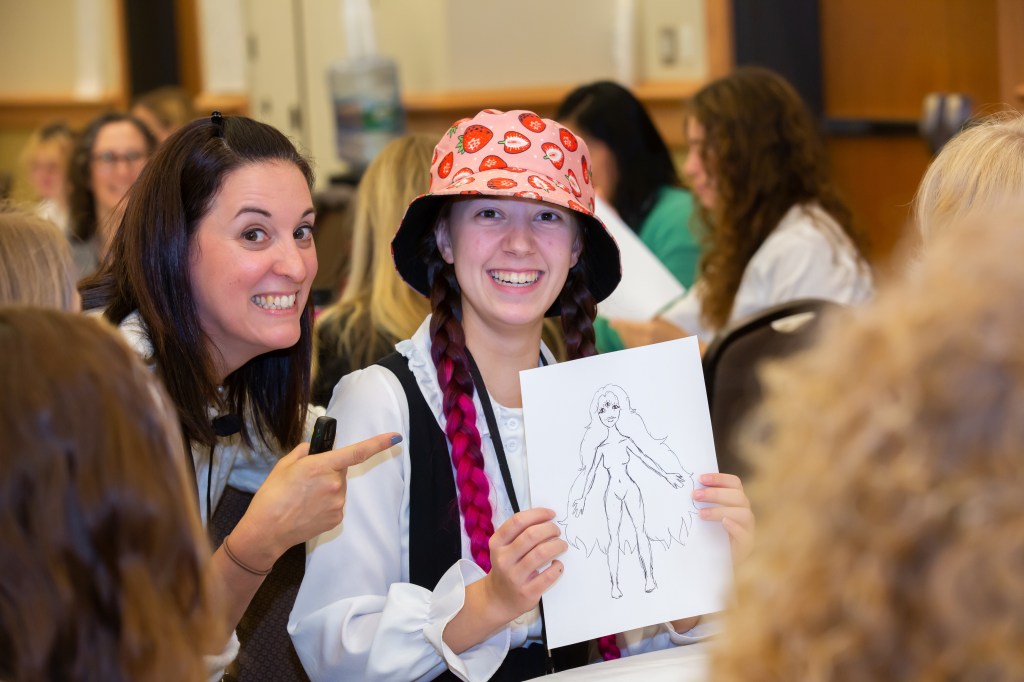
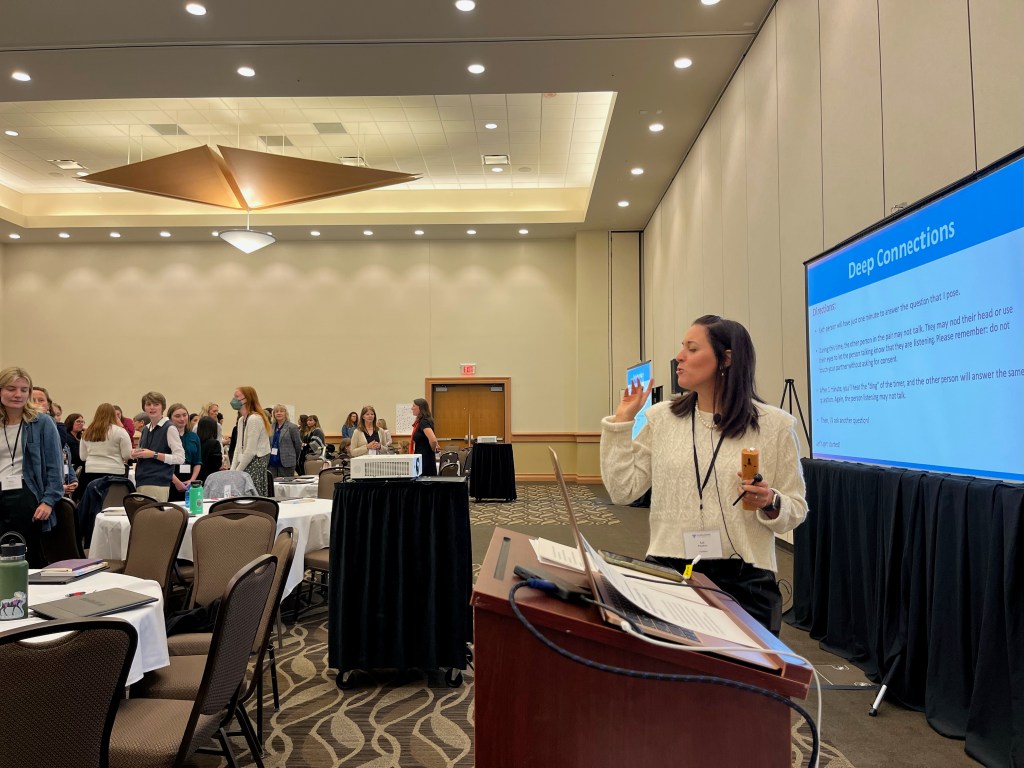
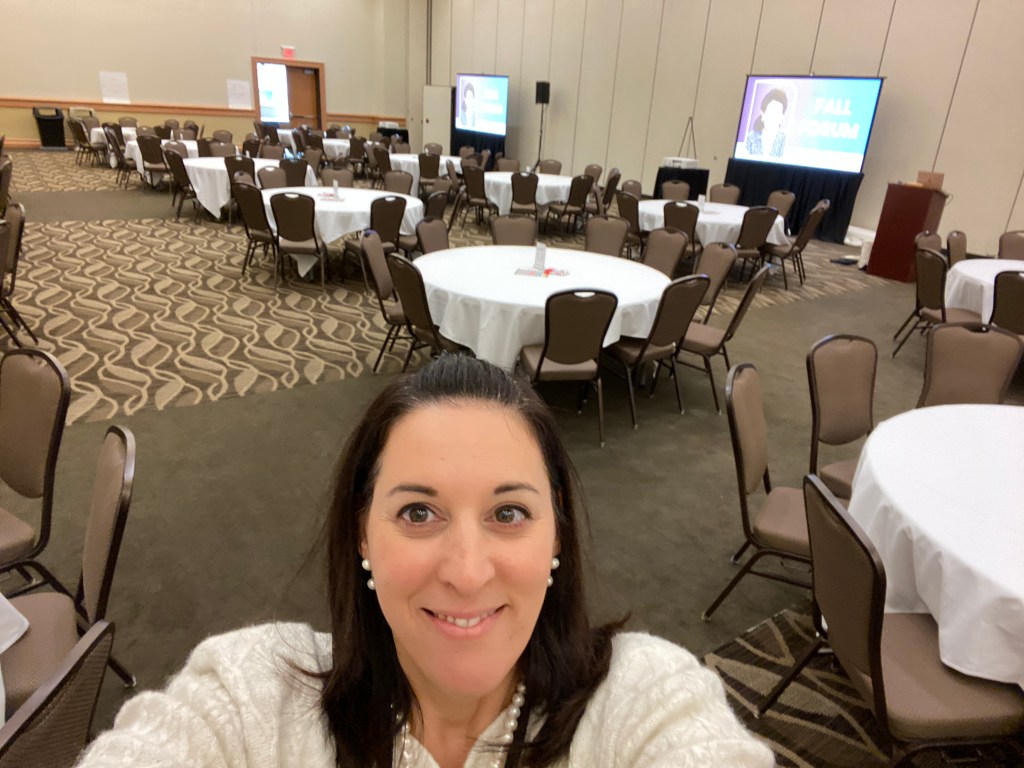
I had the honor of designing and facilitating a full-day, in-person workshop for OSWLI’s annual Fall Forum. Over 800 participants attend this forum, from selected Olympia Leaders to community leaders and advisors to classroom teachers to Olympia Snowe herself. I spent the day training 300 participants in “Vision” workshops, with the following objectives:
Learners will…
- examine, and communicate in, meaningful conversations.
- work to build relationships with others.
- identify and articulate their vision over time.
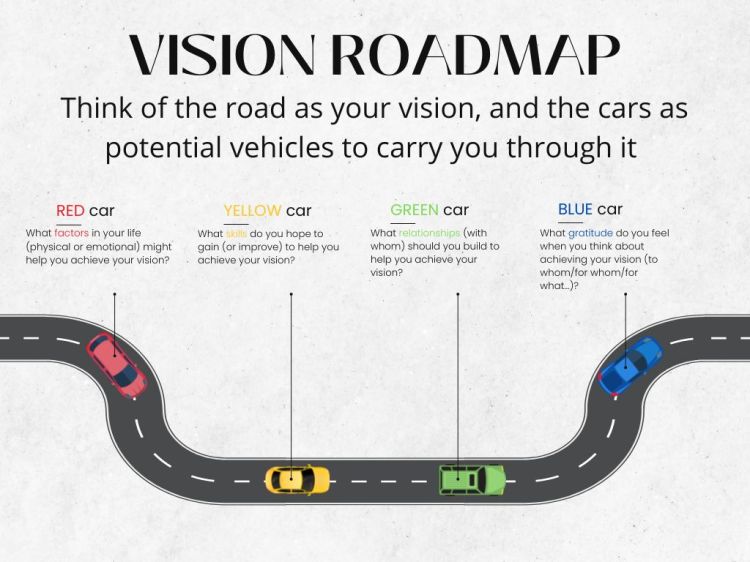
- plan a roadmap for their vision.
- practice networking and practice gratitude.
I structured the day in 4 sections, each with enabling and terminal objectives:
Workshop 1: Welcome!
Learners will…
- build trust with each other, facilitator, and business leaders through collaboration and reflection
- recognize their brave space and their importance within it
- define and articulate what “Vision” encapsulates
Workshop 2: Deep Connections
Learners will…
- reconnect with their values/prior knowledge
- become [more] comfortable using their voices by meeting someone new in a meaningful way OR get to know someone a little more deeply
Workshop 3: Vision Creation
Learners will…
- create a vision statement using their Clifton Strength themes
- use their vision statement and infographic to brainstorm various pathways
Workshop 4: Meaningful Conversations
Learners will…
- recognize the power words have in building relationships
- practice using their voice to connect with others, engaging in conversations with business leaders
- recognize how gratitude plays a role in vision
Working with the Executive Director and Director of Community Partnerships, I conducted a needs assessment, focusing on learners’ prior knowledge, long-term goals, and current motivation. Using this data, I created an interactive, learner-centered day, using pedagogical and instructional strategies like UDL, scenarios, and backward design.
Importance:
It’s not every day that an instructional designer and facilitator has the opportunity to engage with young people about their future. These workshops gave me the opportunity to partner theory with practice, focusing on the value of self-reflection, social learning, and connectivist approaches to education.
I found it important to begin the day with my personal journey to find my vision, and the iterative process vision-finding follows. I provided learners with an opportunity for “observing and modeling” (p. 35); according to social cognitive theory, this is “particularly important and relevant to adult learning” (Merriam & Bierema, 2013, p. 35). Theorists Merriam and Bierema conclude that “learning is a complex behavior that can involve how we think (cognitive), feel (affective), or do something (psychomotor)” (Merriam & Bierema, 2013, p. 41), and this is exactly what made this workshop successful. Learners spent time thinking, feeling, and acting, making use of active learning strategies and self reflection.
At the top of my mind was what researcher Wlodkowski (2008) says about motivation: “When learners are motivated during the learning process, things go more smoothly, communication flows, anxiety decreases, and creativity and learning are more apparent” (p. 6). Learners trusted each other, which helped create an excited energy for all tasks.
References:
Merriam, S. & Bierema, L. (2013). Chapter 2: Traditional Learning Theories. Adult learning: linking theory and practice. Jossey-Bass. 24-41.
Wlodkowski, R. (2008). Understanding Motivation for Adult Learners. Enhancing adult motivation to learn. 3. 1-30.
Insight:
I appreciated the community that was created that day, and I will be returning for the Fall Forum 2023 this September. I nurtured and improved a number of skills during this project:
- Drawing on personal experience to connect with learners
- Constructing and applying active learning strategies to build community
- Identifying the needs and goals of participants
- Creating opportunities for networking and building lasting relationships
- Evaluating learning and long-term engagement

 Empowering Programs for Innovation and Change, LLC